
Sports Massage Therapy for Recovery and Injury Rehabilitation
The benefits, types and uses of sports massage therapy
by Brad Walker | Updated March 30, 2025
Massage is one of my all-time favorite injury rehabilitation techniques. I’d even go as far as saying:
…it’s the most effective form of injury rehabilitation therapy for speeding up the healing process and preventing re-injury. Without it, the injured athlete rarely recovers fully.
The following article covers a number of very good reasons why sports massage therapy should be a priority both for injury prevention and rehabilitation.

The Benefits of Massage
Anyone who is a fan of exercise should strongly consider massage therapy as part of an overall lifestyle choice. It is the perfect way to include stress relief in your exercise program. There are, however, other key benefits as well.
Sports massage therapy is actually a combination of several different techniques. The overall point of massage is to help muscles relax and relieve tension in the body with a combination of hand strokes. Other benefits include:
- Improved circulation. Massage is accompanied or followed by an increase interchange of substances between the blood and the tissue cells, which increases tissue metabolism. Massage maximizes the supply of nutrients and oxygen though increased blood flow, which helps the body rebuild itself.
- Improved range of motion and muscle flexibility. This results in increased power and performance, which helps you work efficiently and with proper intensity to facilitate the body’s muscle-building response.
- Helps shorten recovery time between workouts. Waste products such as lactic and carbonic acid build up in muscles after exercise. Increased circulation to these muscles helps to eliminate toxic debris and shorten recovery time.
- Can help prevent overtraining. Massage has a relaxing effect on the muscles, as well as a sedative effect on the nervous system. This can prevent overtraining syndrome, which has a limiting effect on muscle building.
- Helps prevent and even heal injuries. By stretching connective tissue, massage improves circulation to help prevent or break down adhesions. Massage also influences the excretion of certain fluids (nitrogen, phosphorous, sulfur) necessary for tissue repair.
“Massage therapy, as a stand-alone treatment, reduces pain and improves function compared to no treatment in some musculoskeletal conditions.”
- Bervoets, D. Luijsterburg, P. Alessie, J. Buijs, M. Verhagen, A. (2015). Massage therapy has short-term benefits for people with common musculoskeletal disorders compared to no treatment: a systematic review. Journal of Physiotherapy, 61(3) 106-116.
Types of Massage
There are many different types of massage and each is designed for a particular need. Below is a brief summary and definition of the most popular sports massage techniques.
- Trigger Point Therapy: A trigger point is a tight area within muscle tissue that causes pain in other parts of the body. Trigger point massage therapy is specifically designed to alleviate the source of the pain through cycles of isolated pressure and release. In this type of massage for trigger point therapy, the recipient actively participates through deep breathing as well as identifying the exact location and intensity of the discomfort.
- Swedish Massage: Swedish massage therapy is the modality that comes to mind when most people think about massage. As the best-known type of bodywork performed today, one of the primary goals of the Swedish massage technique is to relax the entire body. This is accomplished by rubbing the muscles with long gliding strokes in the direction of blood returning to the heart. But Swedish massage therapy goes beyond relaxation. Swedish massage is exceptionally beneficial for increasing the level of oxygen in the blood, decreasing muscle toxins, improving circulation and flexibility while easing tension.
- Deep Tissue Massage: Deep tissue massage therapy is similar to Swedish massage, but the deeper pressure is beneficial in releasing chronic muscle tension. The focus is on the deepest layers of muscle tissue, tendons and fascia (the protective layer surrounding muscles, bones and joints).
- Sports Massage: Sports massage therapy is geared toward athletes. The particulars of the sports massage technique are specific to the athlete’s sport of choice. Focusing on areas of the body that are overused and stressed from repetitive and often aggressive movements.
For additional resources and an expanded list of body massage treatments, check out these two articles: What are the Different Types of Massage and 10 Types of Massage.
Sports Massage
The sports massage actually came from the Swedish massage technique. Geared specifically to the athlete, this massage focuses on muscles that have seen a large degree of stress and use, often to the point of overuse. Normally, these are muscles that have seen repetitive and aggressive movement as a part of the overall sport or competition.
The sports massage is now recognized as an accepted component to an overall regimen of training and competition. This means the athlete can enhance pre-competition and reduce the recovery period, which means a better and more intensive training session after competition.
There are several key elements to sports massage. To better understand each of these, let’s look at them separately.

- Motion and Flexibility: Professional and superior athletes often over-train and this leads to muscle rigidity. Sports massage can help relax overly tense muscles and provide additional flexibility. Used before a competition, it will relax the muscles for flexibility, and improving performance.
- Shortens Recovery Time: Exercise and competition is stressful on the body, which can lead to injury if proper precautions are not taken. Sports massages are ideal to help the body deal with this stress and injury prevention. A proper massage increases blood flow and lymph fluid, both assisting in the body’s natural healing process, speeding waste removal and general health improvement. Swelling and inflammation associated with physical activity is also reduced. Scar tissue, normal from a severe injury, can be lessened with massage.
- Supply of Oxygen and Nutrients: Blood flow into muscles is vital to creating new tissue and increased strength and stamina. Massage increases blood flow for additional oxygen and nutrients.
- Helps Eliminate By-Products of Exercise: Lactic and uric acids are natural by-products of exercise. Each can be lessened with blood and lymph flow in the body and increase the waste output by a sports massage.
- Psychological Benefits: There is much to be said about psychology and sports. Many do not realize the value of a massage with sports and how a quality massage has more than just physical benefits. The body is only as strong as the mind, so having a strong mind that is relaxed and focused is a definite edge in highly competitive sports. A stressed athlete is not nearly as capable as one with a clear mind.
- Reduces Pain: A body in pain is a sign of overworked muscles and is not healthy. Massage increases blood and lymph fluid flow, thereby speeding the injury rehabilitation process. A massage also helps with pain from spasms and cramps, common with elite athletic training.
The cream or oil you use for massage is also very important. I recommend a special ointment to use for your massage called FEELGOOD Natural Pain Cream. This special ointment is extremely effective in treating soft tissue injuries, like sprains, strains and tears. It includes all-natural ingredients, has zero side effects and best of all, is very cheap. Learn more about this ointment from the link above.
Self Massage
As well as all the benefits listed above, self massage has the added benefit of being able to give yourself a massage in the privacy of your own home, plus the obvious cost savings.
You can use your thumbs, fingers, hands and elbows in the same way a massage therapist would if you went to visit them. Warm your muscles up first with some gentle rubbing and kneading, and then gradually increase the pressure you apply to your muscles.
Two problems often arise when using your own hands: Firstly, your arms and hands can become fatigued very quickly, and secondly, you can’t always reach the spots that most need your attention.
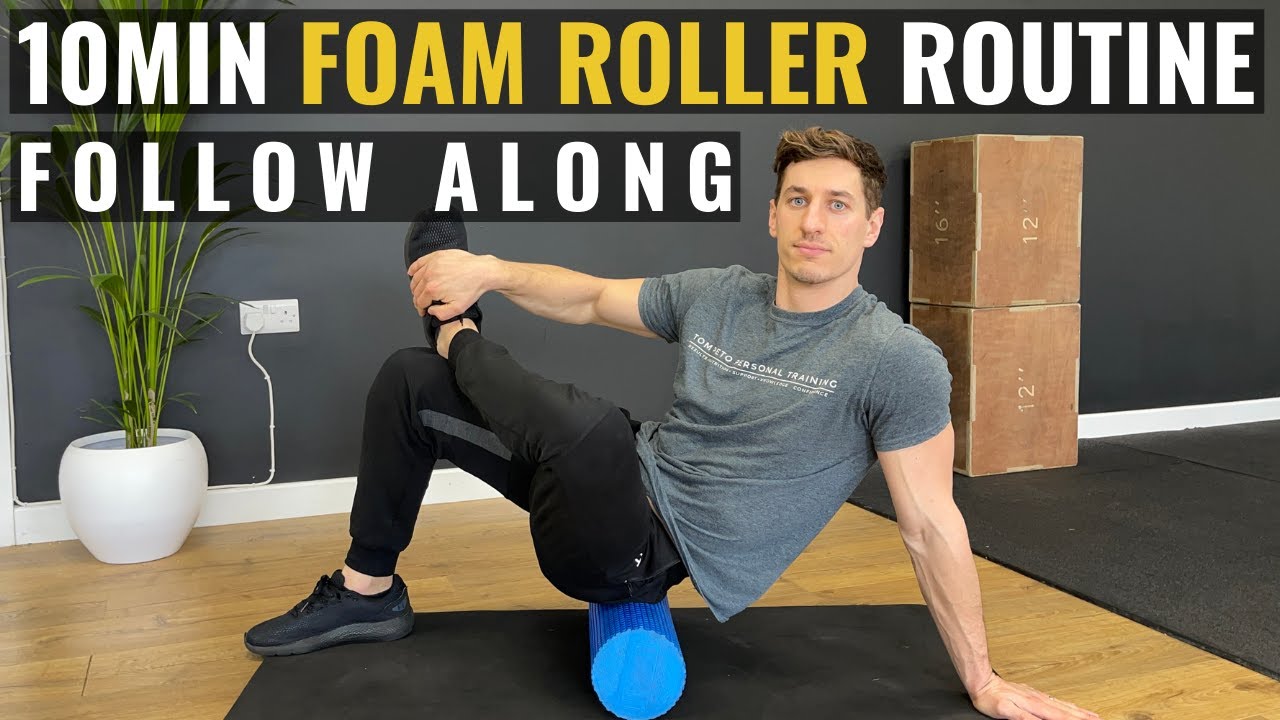
This is where a self massage tool can come in handy. These tools come in the form of all sorts of sticks, hooks, foam rollers, balls and hand-held trigger pointers, and to a large extent eliminate the two problems above.
One of the best self massage tools is the RangeRoller by Medi-Dyne. RangeRoller is a massage therapy tool specifically designed for a more effective deep tissue massage. The exclusive TriggerTreads™ enable you to reach deep with minimal effort.

Foam Rolling
Foam rolling is another popular form of self massage. Below you’ll find a couple of videos (that explain better than I can), exactly what a foam roller is and how to use them.
“Results from the between-group analyses showed that foam rolling had a large effect on the recovery in agility and perceived muscle soreness in comparison with the passive recovery group at 24 hours after training.”
- Rey, E. Padrón-Cabo, A. Costa, P. Barcala-Furelos, R. (2007). Effects of Foam Rolling as a Recovery Tool in Professional Soccer Players. Journal of Strength and Conditioning Research, 33(8):2194-2201.
“Foam rolling was beneficial in attenuating muscle soreness while improving vertical jump height, muscle activation, and passive and dynamic ROM in comparison with control.”
- Macdonald, G. Button, D. Drinkwater, E. Behm, D. (2014). Foam Rolling as a Recovery Tool After an Intense Bout of Physical Activity. Medicine and Science in Sports and Exercise, 46(1):131-42.

Conclusion and Precautions
These are only just a part of the many positive benefits from sports massages. Many professional athletes from golfers to American football players have a masseuse or masseur on retainer or affiliated with the team. The major non-medical benefits of massage are evident and this helps reduce injury and recovery. Increased performance, brought by greater flexibility and range of motion, mean a lessening chance of injury and faster recovery from injuries as well.
For anyone participating in regular physical activity, sports massage therapy every week or two may be a great addition to your normal regimen. It’s best to talk with a professional massage therapist to find a plan that will work best with your schedule, level of activity and budget.
Before making an appointment with the first massage therapist you encounter, however, be sure they are a qualified bodywork practitioner. Ask for referrals, professional training information, and certification credentials from a reputable agency, such as the National Certification Board for Therapeutic Massage and Bodywork (NCBTMB).
Combine massage with foam rolling and a bit of long-hold static stretching and you’ve got the perfect recovery session…
Research and References
- Atkins, D. Eichler, D. (2013). The Effects of Self-Massage on Osteoarthritis of the Knee: a Randomized, Controlled Trial. International Journal of Therapeutic Massage Bodywork, 6(1): 4–14.
- Bervoets, D. Luijsterburg, P. Alessie, J. Buijs, M. Verhagen, A. (2015). Massage therapy has short-term benefits for people with common musculoskeletal disorders compared to no treatment: a systematic review. Journal of Physiotherapy, 61(3) 106-116.
- Elder, W. Munk, N. Love, M. Bruckner, G. Stewart, K. Pearce, K. (2017). Real-World Massage Therapy Produces Meaningful Effectiveness Signal for Primary Care Patients with Chronic Low Back Pain: Results of a Repeated Measures Cohort Study. Pain Medicine, 18(7) 1394–1405.
- Macdonald, G. Button, D. Drinkwater, E. Behm, D. (2014). Foam Rolling as a Recovery Tool After an Intense Bout of Physical Activity. Medicine and Science in Sports and Exercise, 46(1):131-42.
- Niel-Asher, S. (2014) The Concise Book of Trigger Points, 3rd Edition (ISBN: 978-1583948491)
- Qaseem, A, Wilt, T. McLean, R. Forciea, M. (2017). Noninvasive Treatments for Acute, Subacute, and Chronic Low Back Pain: A Clinical Practice Guideline From the American College of Physicians. Annals of International Medicine, 166(7):514-530.
- Reed, K. (August 6, 2017). The Ultimate List Of Body Massage Treatments To Try. Retrieved May 31, 2020, from https://www.positivehealthwellness.com/pain-relief/ultimate-list-body-massage-treatments-try/.
- Rey, E. Padrón-Cabo, A. Costa, P. Barcala-Furelos, R. (2007). Effects of Foam Rolling as a Recovery Tool in Professional Soccer Players. Journal of Strength and Conditioning Research, 33(8):2194-2201.
- Sharkey, J. (2008) The Concise Book of Neuromuscular Therapy, 1st Edition (ISBN: 978-1556436734)
- Wikipedia contributors. (2020, April 24). Manual therapy, In Wikipedia, The Free Encyclopedia.
- Wong, C. (May 23, 2020). Top 9 Most Popular Types of Massage. Retrieved May 31, 2020, from https://www.verywellhealth.com/most-popular-types-of-massage-89741.
- Zainuddin, Z. Newton, M. Sacco, P. Nosaka, K. (2005). Effects of Massage on Delayed-Onset Muscle Soreness, Swelling, and Recovery of Muscle Function. Journal of Athletic Training, 40(3): 174–180.
 About the Author: Brad Walker is often referred to as the "Stretch Coach" and has even been called the Stretching Guru. Magazines such as Runners World, Bicycling, Triathlete, Swimming & Fitness, and Triathlon Sports have all featured his work. Amazon (author page) has listed his books on five Best-Seller lists. Google cites over 100,000 references to him and his work on the internet. And satisfied customers from 122 countries have sent 1,000's of verified customer reviews. If you want to know about stretching, flexibility or sports injury management, Brad Walker is the go-to-guy.
Disclaimer: The health and fitness information presented on this website is intended as an educational resource and is not intended as a substitute for proper medical advice. Please consult your physician or physical therapist before performing any of the exercises described on this website, particularly if you are pregnant, elderly or have any chronic or recurring muscle or joint pain.


