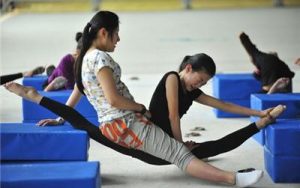
What is stretching? How to stretch properly? When to stretch?
Answers to common stretching questions to make sure you’re stretching properly.
by Brad Walker | Updated August 26, 2024
Stretching properly is a little more technical than just swinging your leg over a park bench. There are methods and techniques that will help you get the most out of stretching and minimize the risk of injury.
In this article we’ll look at some of the most common questions people ask about how to stretch properly. Questions like: What is flexibility and what is stretching? Which muscles should I stretch? When should I stretch? Should I stretch every day? Plus a whole lot more.

What is Flexibility?
Flexibility is commonly described as the range of motion, or movement, around a particular joint or set of joints. Or in layman’s terms, how far we can reach, bend or turn. When improving flexibility is the goal, the muscles and their fascia (sheath) should be the major focus of flexibility training. While bones, joints, ligaments, tendons and skin do contribute to overall flexibility, we have limited control over these factors.
Two Types of Flexibility
Within the broader definition of flexibility there exists two distinct types of flexibility: Static and Dynamic.
- The term static flexibility refers to an individual’s absolute range of motion that can be achieved without movement. In other words, how far we can reach, bend or turn and then hold that position.
- The term dynamic flexibility refers to an individual’s absolute range of motion that can be achieved with movement. In other words, how far we can reach, bend or turn by using velocity to achieve maximum range of motion.
Range of Motion (ROM)
Range of motion (ROM), or range of movement, is so intimately related to flexibility that the terms are often considered having the same meaning. That is, they all describe the extent to which a joint can go in its established spectrum of movements.
A joint’s normal range of motion is determined by what that joint does and how far the bones that comprise it can move. So, range of motion also measures the current amount of motion around a joint as determined by the condition of the bones and the soft tissue surrounding the joint that hold it together.
What is Stretching?
Stretching, as it relates to physical health and fitness, is the process of placing particular parts of the body into a position that will lengthen, or elongate, the muscles and associated soft tissues. Upon undertaking a regular stretching program a number of changes begin to occur within the body and specifically within the muscles themselves. Other tissues that begin to adapt to the stretching process include the fascia, tendons, ligaments, skin and scar tissue.
Two Types of Stretching
Although there are many different ways to perform a stretch (as you can see from the hierarchy diagram below), they can all be grouped into one of two categories: Static or Dynamic.
- The term static stretches refers to stretches that are performed without movement. In other words, the individual gets into the stretch position and holds the stretch for a specific amount of time.
- The term dynamic stretches refers to stretches that are performed with movement. In other words, the individual uses a swinging or bouncing movement to extend their range of motion and flexibility.


Which muscles should you stretch?
As a general rule; if it’s not tight and it’s not causing you any problems, you don’t need to stretch it. There are a few exceptions to this (such as athletes that require increased flexibility for their chosen sport), but for most people this is a wise rule to follow.
So if you perform a stretch and you don’t feel any tension in the target muscle group, this would indicate that you’re not tight in that area.
As you start to notice which muscles are tight and which muscles aren’t, aim to create a balance of flexibility between the front of your body and the back of your body, and the left side of your body and the right side of your body. For example, if you notice that your right hamstring muscles are tighter than your left hamstrings muscles, work on the right hamstring muscles until you have even flexibility in both.

The Full-Body Stretch Myth
This follows on from the previous point. The idea of the “full-body” stretch is one of the most damaging concepts in flexibility training today: This silly idea that you need to stretch everything. Take a look at the short video below where I explain why the full-body stretch is such a bad idea…
When to Stretch?
Most people understand the importance of stretching as part of a warm-up or cool-down, but when else should you stretch?
Stretch periodically throughout the entire day. It is a great way to stay loose and to help ease the stress of everyday life. One of the most productive ways to utilize time is to stretch while watching television. Start with five minutes of marching or jogging on the spot then take a seat on the floor in front of the television and start stretching.
Stretching before exercise or as part of your warm-up is great, but pre-exercise stretching is not meant to improve your flexibility; its purpose is simply to prepare you for exercise. So if you want to improve your range of motion, when is the best time to stretch? One of the best times to stretch is after your work out, as part of your cool-down. This is when your muscles are most warm and pliable, which makes it much easier to stretch and reach new levels of flexibility.
Another great time to stretch is just before going to bed. This works at a neuromuscular level, as the increased muscle length is the last thing your nervous system remembers before going to sleep. Sleep, is also the time when your muscles and soft tissues heal, which means your muscles are healing in an elongated, or stretched position.

Should you stretch before exercise?
Misconceptions and misinformation are rampant when it comes to stretching and flexibility training. One such area of confusion relates to stretching before exercise. The confusion comes from a misinterpretation of a number of research studies that tested the effects of stretching prior to exercise. A number of these stretching studies concluded that doing stretching before exercise resulted in decreased athletic performance… or did they?
The short answer is yes, but with most things the devil is in the detail. What a number of these studies found was that doing long-hold (20 – 30 seconds or more) static stretches immediately before power based activities like running, jumping and sprinting may have a detrimental effect on maximum strength, explosive power and speed.
In other words: Doing a very specific type of stretching, in a specific way, IMMEDIATELY before another specific activity, may have a negative effect on athletic performance.
Some people have misinterpreted this to mean that you shouldn’t do ANY stretching before ANY activity, which has unfortunately manifested into the “any stretching before exercise is bad” mantra that I hear frequently.
So… is it beneficial to use static (or PNF) stretching before exercise or as part of a warm-up?
Yes, as long as the static stretching isn’t the last thing you do before doing an activity that requires maximum strength, explosive power or speed. In fact, further research has determined that no negative effects are observed when static stretching is conducted early in the warm-up and followed by sport specific drills or dynamic stretching.
Is it bad to stretch everyday?
Firstly, we need to make a distinction between doing a few gentle stretches and doing a more intense flexibility training session. Doing a few gentle stretches everyday is fine. In fact, I encourage all my clients to take regular “Stretch Breaks” throughout the day to keep loose and limber. However, a more intense flexibility training session is another thing altogether.
I like to approach flexibility training the same way as one approaches strength training. When an athlete does strength training, they typically focus on one or two movement patterns that compliment their sport. And this is the same approach I take with flexibility training. The client will focus on one or two movement patterns at a time, and work on the flexibility of the muscle groups involved in those movement patterns.
For example, an athlete involved in a kicking sport like Australian Rules football or soccer would focus on the muscle groups associated with kicking: The hamstrings, buttocks and lower back.
Variety of Stretches
Not including a variety of stretches in your training program is one of the most common stretching mistakes I see. Including a wide variety of different stretches is very important for avoiding muscle imbalances. While an athlete may go to the gym every day, no intelligent athlete would do the same set of exercises every day, day after day. The same approach applies to flexibility training; while it is okay to do flexibility training every day; it’s not a good idea to do the same stretches every day, day after day.
Hold, Count, Repeat
For Static and Passive stretching, some text will say that holding a stretch for as little as 10 seconds is enough. This is a bare minimum. 10 seconds is only just enough time for the muscles to relax and start to lengthen. For any real improvement to flexibility, each stretch should be held for at least 30 to 60 seconds, and repeated at least two or three times.
Breathe
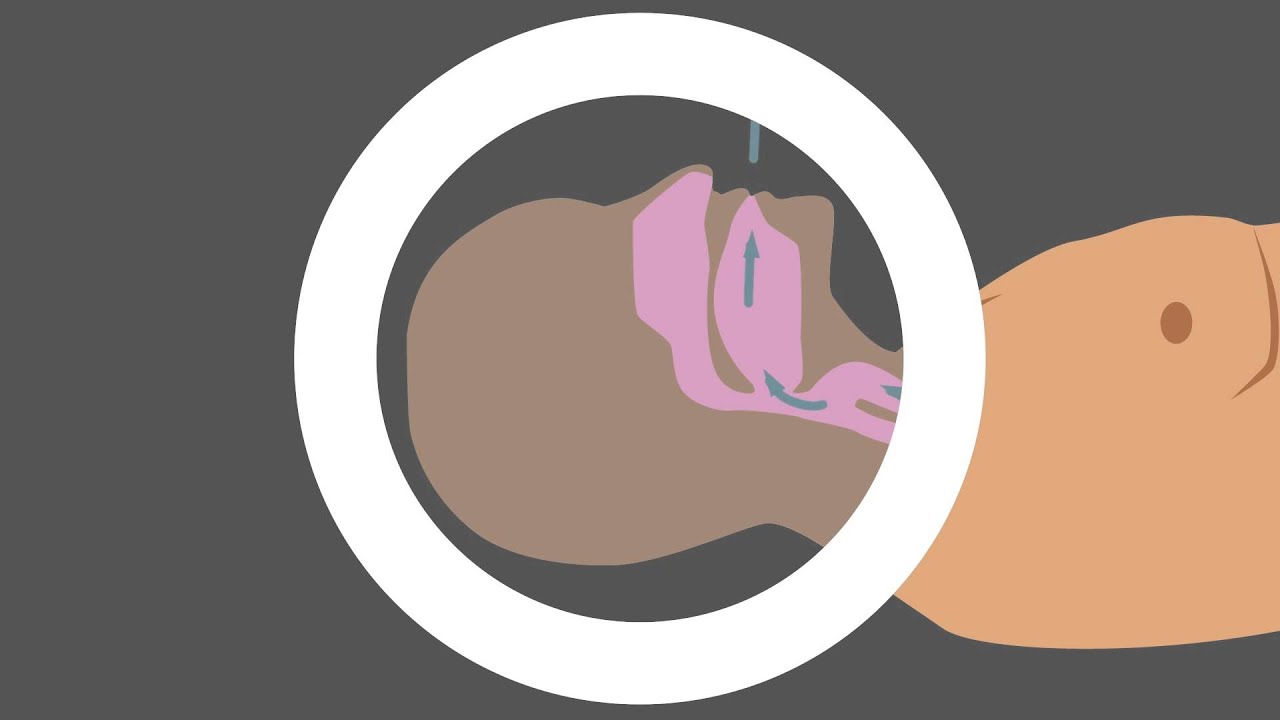
Proper breathing is also essential for good flexibility. Not to mention good health. But most people have no idea that they’re breathing the wrong way. Here’s what I mean…
Go ahead and take a big, deep breath in: As deep as you can. Now let me guess… Your shoulders have risen; your chest has expanded; and your waist has shrunk a little. Am I right? This is the way most people breathe, but what if I told you… You’re breathing the wrong way!
Breathing with your chest is the WRONG way to breath: It puts strain on your neck and shoulder muscles, causes shallow breathing and doesn’t allow for the full expansion of your lungs. So how should you be breathing? Take a look at the video below for an explanation of the right way to breathe…
Stretching from the core out
Limited data exists on what order individual stretches should be done in. However, from working with 1,000’s of clients over the last 25 years, I know that designing flexibility training programs that start with the core muscles of the stomach, sides, back and neck, and then work out to the extremities are most effective.
The health, stability and function of the core is essential for proper form and mechanics while performing any activity; from the most simple day-to-day movements right through to the most advanced sports skills. No one questions the importance of the core for strength training and it is just as important for stretching and flexibility training.
Stretching posture and alignment
Poor posture and incorrect alignment can cause imbalances in the muscles that can lead to injury. While proper posture and alignment will ensure that the targeted muscle group receives the best possible stretch.
In many instances one major muscle group can be made up of a number of different muscles. If posture is poor or incorrect certain stretches may put more emphasis on one particular muscle within that muscle group, thus causing an imbalance that could lead to injury.
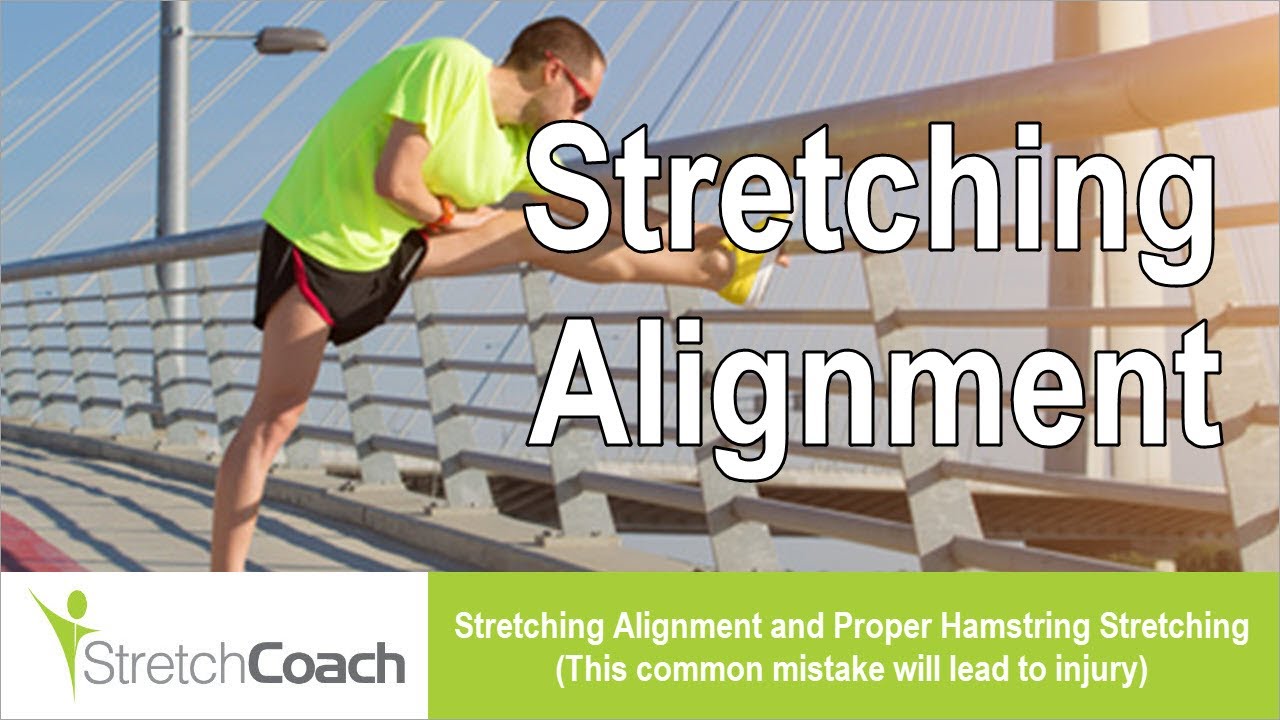
The picture below, for example, shows the difference between good posture and poor posture when stretching the hamstring muscles (the muscles at the back of the upper legs).
During this stretch it is important to keep both feet pointing straight up. Allowing the feet to fall to one side will put more emphasis on one particular part of the hamstrings, which could result in a muscle imbalance.
Note the athlete on the left; feet upright and back relatively straight. The athlete on the right is at a greater risk of developing a muscular imbalance that may lead to injury.

Research and References
- Alter, M. (2004) Science of Flexibility, 3rd Edition (ISBN: 978-0736048989)
- Holt, L. Travis, T. Okita, T. (1970) Comparative Study of Three Stretching Techniques. Perceptual and Motor Skills, Volume: 31 issue: 2, page(s): 611-616.
- Lucas, R. Koslow, R. (1984) Comparative Study of Static, Dynamic, and Proprioceptive Neuromuscular Facilitation Stretching Techniques on Flexibility. Perceptual and Motor Skills, Volume: 58 issue: 2, page(s): 615-618.
- Page, P. (2012) Current Concepts in Muscle Stretching for Exercise and Rehabilitation. International Journal of Sports Physical Therapy, 7(1): 109–119.
- Taylor, K. Sheppard, J. Lee, H. Plummer, N (2009) Negative effect of static stretching restored when combined with a sports specific warm-up component. Journal of Science and Medicine in Sport, 12(6):657-61.
- Walker, B. (2011). The Anatomy of Stretching, 2nd Edition (ISBN: 978-1583943717)
- Wikipedia contributors. (2019, October 27). Stretching, In Wikipedia, The Free Encyclopedia.
 About the Author: Brad Walker is often referred to as the "Stretch Coach" and has even been called the Stretching Guru. Magazines such as Runners World, Bicycling, Triathlete, Swimming & Fitness, and Triathlon Sports have all featured his work. Amazon (author page) has listed his books on five Best-Seller lists. Google cites over 100,000 references to him and his work on the internet. And satisfied customers from 122 countries have sent 1,000's of verified customer reviews. If you want to know about stretching, flexibility or sports injury management, Brad Walker is the go-to-guy.
Disclaimer: The health and fitness information presented on this website is intended as an educational resource and is not intended as a substitute for proper medical advice. Please consult your physician or physical therapist before performing any of the exercises described on this website, particularly if you are pregnant, elderly or have any chronic or recurring muscle or joint pain.